
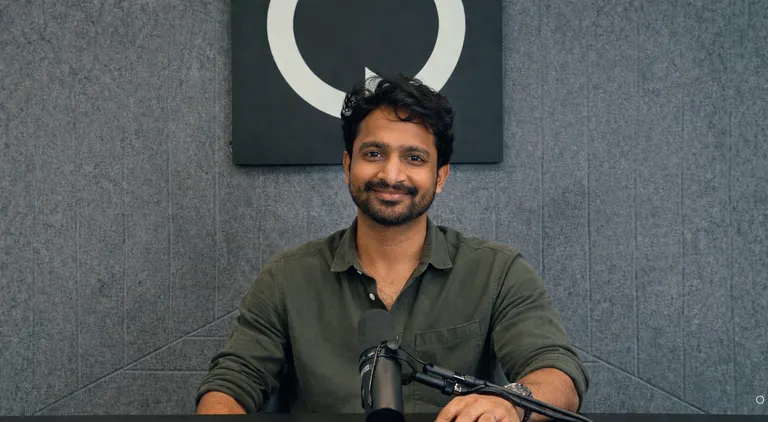
In the competitive field of accounting and finance, clearing the ACCA (Association of Chartered Certified Accountants) exam in the first attempt is a remarkable achievement. Piyush Singhania, a recent ACCA affiliate, has done just that.
In this exclusive interview, Piyush shares his journey, the strategies he employed, and how QuintEdge played a pivotal role in his success.
Let's hear directly from him --
Why did you decide to pursue ACCA?
My passion for accounting and finance drove the decision. I was drawn to the global recognition of the ACCA qualification and its relevance across industries. I also appreciated the flexibility in study pace and exam scheduling that ACCA offers. I believed it would provide me a real competitive advantage in finance careers.
What steps did you take to further your ACCA preparation?
I started with self-study through textbooks and free online resources, but that approach proved ineffective. I created generic study schedules without properly considering my learning style or the specific demands of each paper, which led to uneven preparation. When I tried mock exams, I struggled with time management and applying concepts under pressure. Online forums gave me conflicting advice without any personalised guidance. That is when I decided to seek structured support.
How did QuintEdge help you?
The turning point in my journey was QuintEdge's approach. The interactive sessions made complex topics relatable to everyday experiences, which completely changed how I understood the material. The personalised feedback showed me exactly where to focus — it went far beyond generic advice. The flexible scheduling allowed me to balance work and studies without feeling overwhelmed. It truly felt like I had a team supporting me every step of the way.
Can you share your preparation strategy for ACCA?
I developed a personalised approach that worked with my natural rhythm:
- Morning study sessions: I leveraged my natural alertness in the mornings for deep study work.
- Deep-dive methodology: I went for thorough understanding rather than surface-level coverage of topics.
- Active learning techniques: I practiced self-summarisation and tried to teach concepts back to myself to test my understanding.
- Timed mock exams: I did these under strict conditions to build speed and accuracy for the real exam.
- Meticulous error analysis: After each practice test, I carefully analysed every mistake to understand why I got it wrong.
- Wellness practices: I maintained exercise and hobbies to keep my mental fitness strong throughout the preparation period.


